
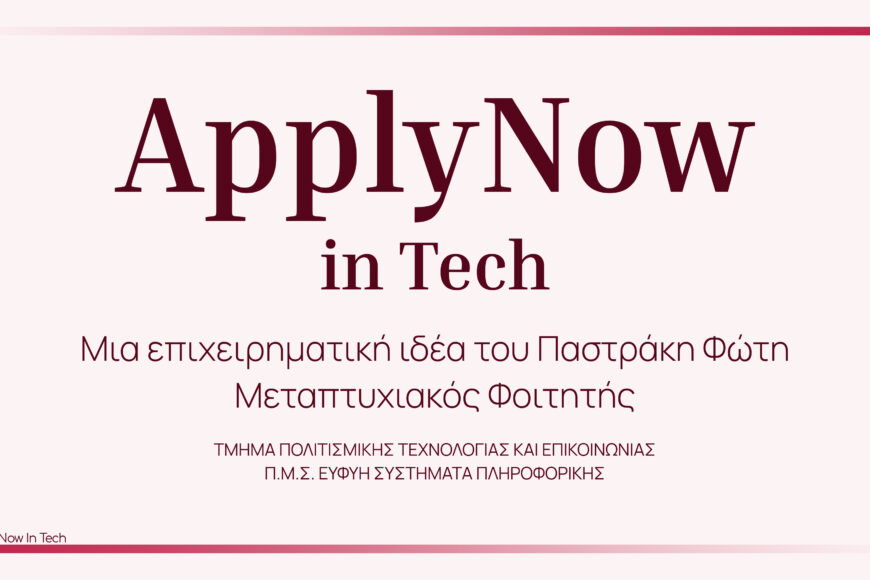
This wasn’t supposed to be a big story. It’s a simple account of HR tech UX research done in a single day. The kind of day that starts with “interesting idea” by night, and ends with the last coffee refill the next day.
Two hours in, the idea existed. Not polished. Not proven. Just clear enough to breathe: a B2B plugin for recruiters and HR teams in SMBs. Not another “AI will replace recruiters” fantasy. Simplify hiring processes Instead. A practical tool that reduces friction, structures candidate flow, and supports decisions without pretending to automate judgment.
The spark came through a short chat with AI. Not because AI is magical, but because it asks questions quickly when time feels tight. What problem are you solving? Who pays, and why now? Why would they switch from their current ATS or workflow? Those prompts were enough to move. So I opened the editor. Six hours later, something real existed. Not pretty. Not scalable. But alive. A rough prototype with enough fidelity to show intent and enough honesty to expose limits.
Then came the part many teams skip or romanticize: research. I spent another six hours digging into recruitment platforms, ATS tools, and the broader HR SaaS ecosystem. I focused on what SMBs actually use, not what enterprise decks claim they use. I looked for places where friction hides and where money quietly leaks from the process. Patterns repeated. Over‑engineered features layered on fragile workflows. Under‑supported teams handling constant handoffs. A shiny “AI” label where thoughtful information architecture should live. In short, tools designed for feature lists rather than for the realities of hiring under pressure.
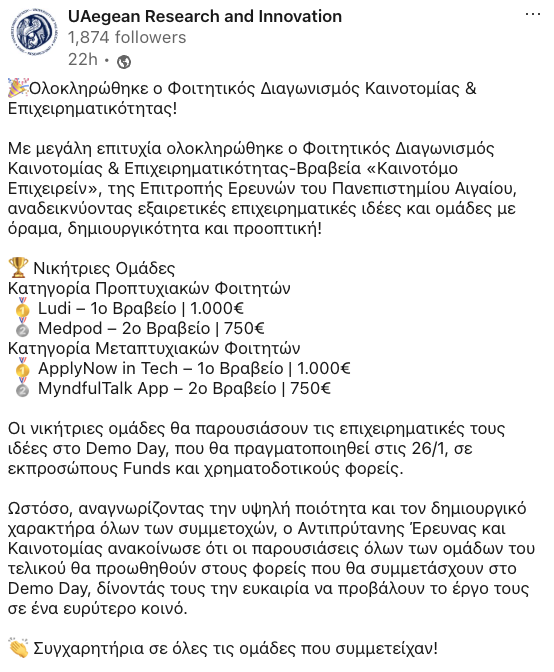
The final stretch was story work. Eight hours shaping the narrative, not the pitch deck. Why this exists. Who it isn’t for. Where it could fail, and why that’s still acceptable if the learning is fast and the risk is contained. By the time I stepped into the room, less than 24 hours had passed since the first thought. Somehow, it was enough. The project placed first among MSc students across departments at the University of the Aegean. Nice outcome. Appreciated. Not the point.
The point is what the process confirmed. Speed doesn’t kill quality. Confusion does. Tools don’t replace thinking; they reveal whether thinking exists. And UX is not a coat of paint you add at the end. It’s the discipline that helps ideas survive contact with reality. For founders, recruiters, and HR teams, good UX is not about polish. It is about decision‑making under constraints: time, budget, pressure, and human bias. This worked not because it was rushed, but because every hour had intent. No wasted effort. No fake certainty. No hidden trade‑offs.
If you work in HR or recruitment, you don’t need miracle tools. You need systems that respect context. That means ATS integration that reduces context‑switching, workflows that surface the right signals at the right time, and decision support that keeps humans in the loop. That is HR tech UX research in practice: discovery that frames the problem, lean prototyping that tests assumptions, and usability testing that lets reality answer back—quickly.
That is also how I approach every engagement. Start small. Test fast. Keep the candidate journey central. Measure what matters and iterate with intent. If you’re exploring an idea in recruiting tech—or trying to fix an existing flow—let’s turn ambiguity into decisions. Not speed for speed’s sake, but focus that makes progress visible.